Race day may appear effortless to spectators, but delivering a successful meeting requires extensive preparation and teamwork.
Long before the first race begins, racecourse staff, stable workers, trainers, jockeys, veterinarians, officials and hospitality teams are already carrying out their responsibilities.
The workforce behind Australian racing is diverse. Ground staff prepare and maintain the racing surface, while event teams coordinate facilities and visitor services. Veterinary professionals help monitor horse welfare, and racing officials oversee the conduct of meetings.
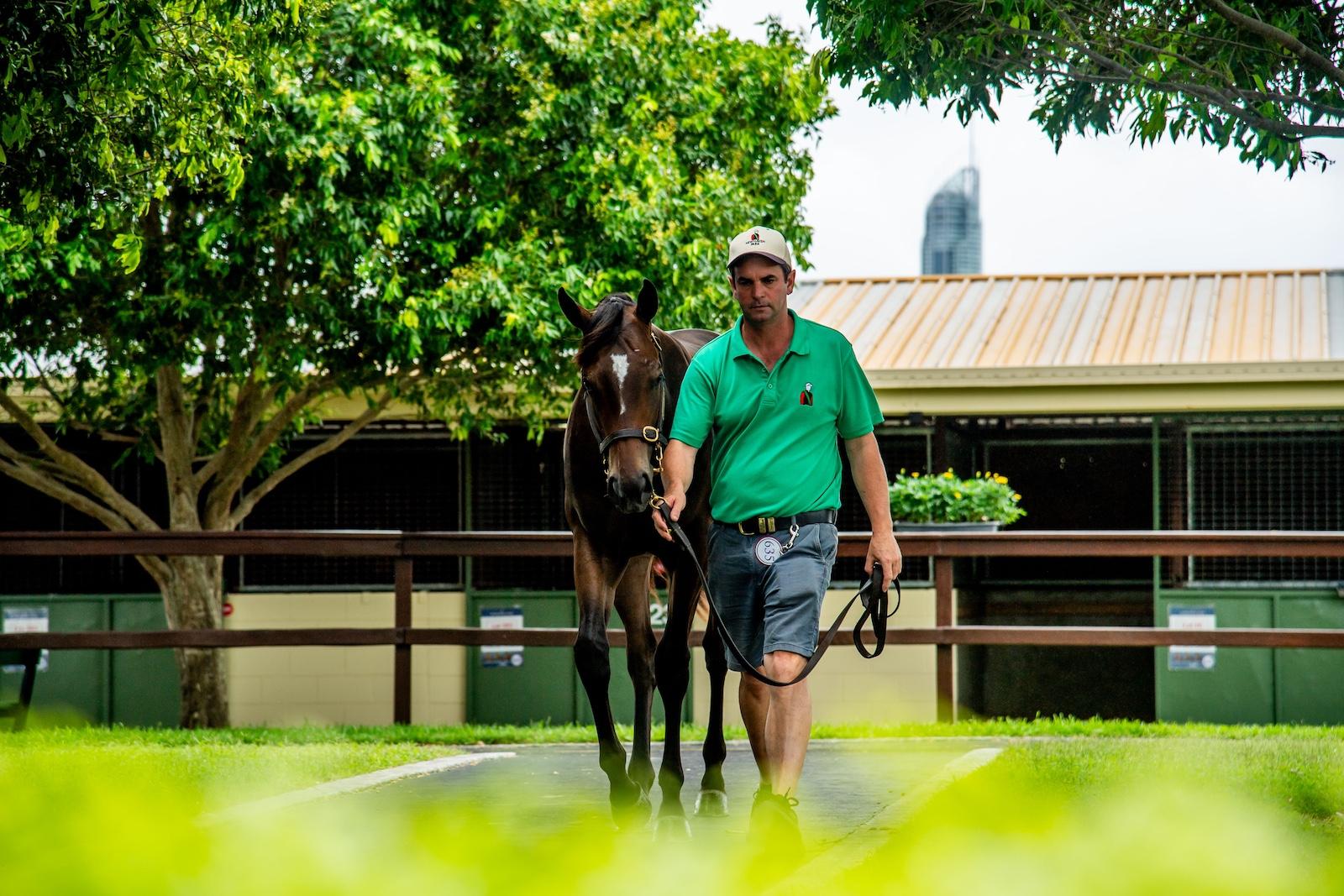
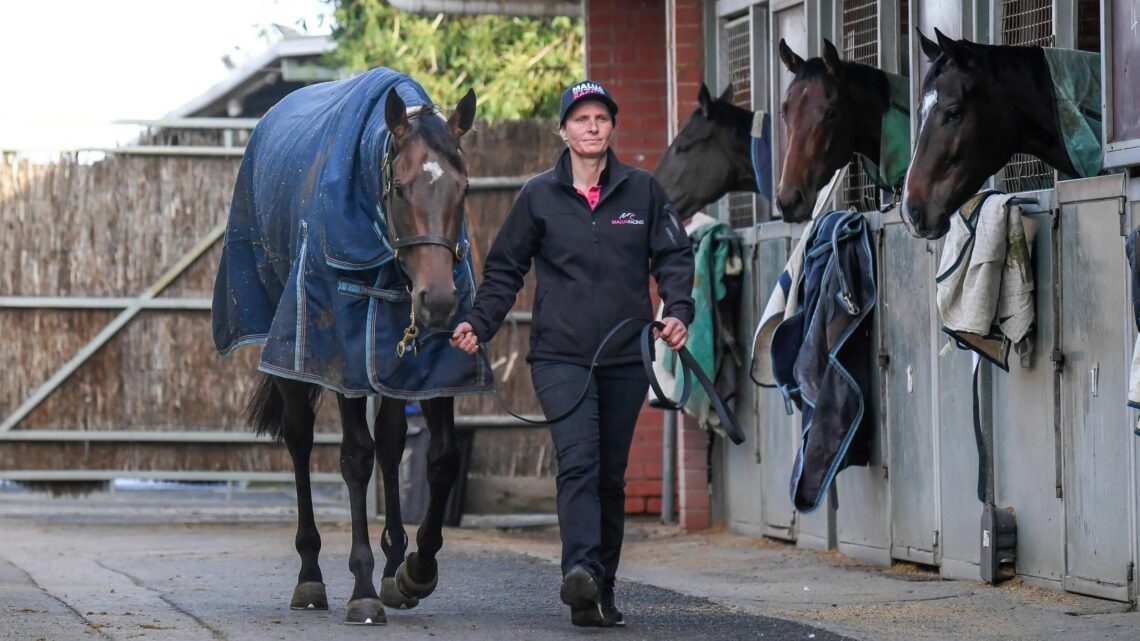
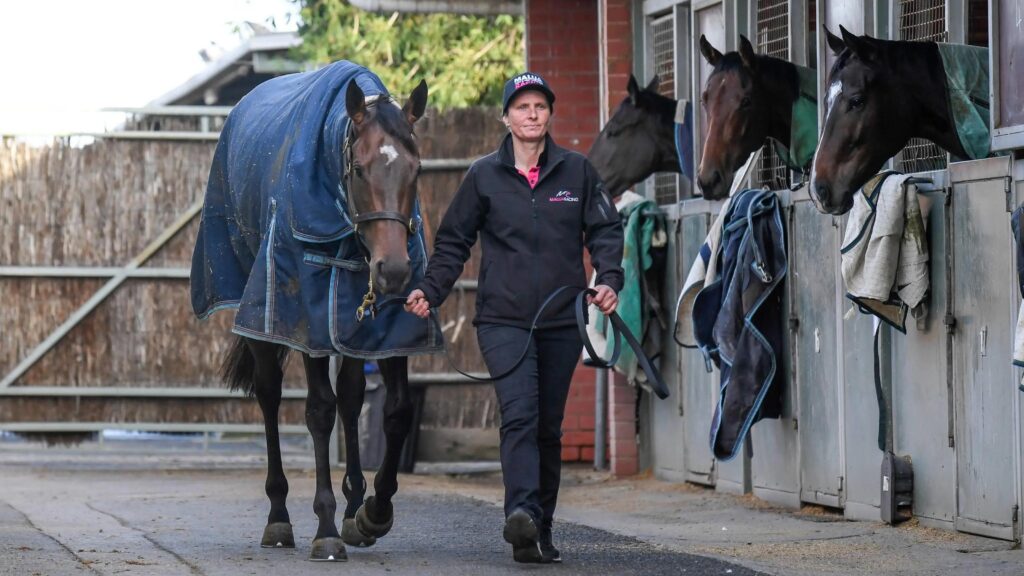
Stable staff are responsible for preparing horses and ensuring they are ready for their scheduled races. Trainers coordinate preparation, while jockeys carry the responsibility of riding safely and competitively.
Behind the scenes, there are also people working in communications, photography, media, catering, security, transport and administration. Each role contributes to the overall experience.
Country racing meetings demonstrate just how important this teamwork can be. Local clubs often rely on dedicated employees and volunteers who help organise events that bring entire communities together.
For newcomers, race day provides an opportunity to understand how the different parts of the industry connect. It also highlights the range of skills needed to support a professional sporting environment.
The racing industry is built on more than horses and competition. It depends on people who work consistently, often outside public attention, to ensure that every meeting can take place.
Recognising these individuals is essential to understanding the true character of Australian horse racing.
WorkStay Insight: Every race has a story, and every successful race day depends on a team of people working together behind the scenes.